Several Key Points to Consider When Choosing a Liquid Loss-In-Weight Feeding Machine
Choosing the right Liquid Loss-In-Weight Feeding Machine is crucial for achieving precise and consistent dosing in industrial production. This article explores several key points—from accuracy and material compatibility to control systems and maintenance—that help you select the most reliable and efficient solution, such as the Audop Liquid Loss-In-Weight Feeding Machine.
When it comes to precise dosing and continuous feeding in modern manufacturing—whether in plastics, chemicals, food, or pharmaceuticals—the liquid Loss-In-Weight feeding machine has become an indispensable piece of equipment. But with so many models and brands available, how do you choose one that truly meets your production needs? Let’s break down a few essential points to keep in mind before making your decision.
1. Accuracy is Everything
The core purpose of a liquid Loss-In-Weight feeder is precision. These machines continuously measure and control the flow of liquid material by tracking the weight loss over time. When selecting a unit, check the system’s measurement accuracy and response speed. A high-quality Audop Liquid Loss-In-Weight Feeding Machine, for instance, maintains stable feeding even during long production runs, ensuring that no costly material deviations occur.
2. Compatibility with Your Liquid Material
Not all liquids behave the same. Some are viscous and sticky, others are volatile or corrosive. It’s vital to confirm that the feeding system’s pump, seals, and contact materials are compatible with your specific liquid properties. For example, silicone oils, resins, or solvents might require specialized pump types or corrosion-resistant components to ensure long-term reliability and safety.
3. Intelligent Control and Integration
Today’s feeding systems are far more than simple mechanical devices. They often come equipped with intelligent control systems that allow integration with automated production lines. Features like real-time feedback, recipe management, and data logging can significantly improve production efficiency. When evaluating machines, look for user-friendly interfaces and flexible communication options like Modbus or Ethernet to connect seamlessly with your factory’s control system.
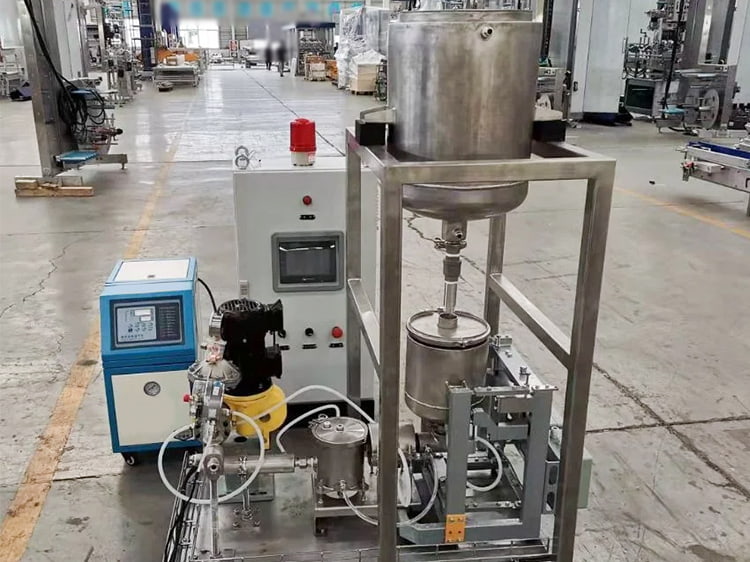
4. Stability and Maintenance
A good feeder doesn’t just perform well—it performs consistently. A stable feeding process means fewer interruptions and less material waste. Choose a system designed for easy maintenance and quick calibration. The best models also feature modular structures, allowing you to replace key components such as pumps or sensors without dismantling the entire unit. The Audop Liquid Loss-In-Weight Feeding Machine is a great example of thoughtful engineering that prioritizes both accuracy and ease of upkeep.
5. Customization and After-Sales Support
Every production environment is unique. You may need specific flow rates, container sizes, or automation levels. Manufacturers that offer customization and technical support are invaluable, especially if you’re dealing with special materials or complex feeding requirements. Reliable after-sales service ensures that your equipment remains in top condition and that any technical issues are resolved quickly.
Conclusion
Choosing the right liquid Loss-In-Weight feeding machine is about more than just comparing price tags. It’s about ensuring precision, stability, compatibility, and long-term reliability—all of which directly affect your product quality and production efficiency. Take the time to evaluate the equipment’s core technology and support services, and you’ll have a feeder that delivers performance you can trust.
For more detailed specifications and professional guidance, you can visit Audop Liquid Loss-In-Weight Feeding Machine to explore solutions tailored to your production needs.