Equipment Configuration Guide for PPR Pipe Production Line
Looking for a reliable and efficient solution for PPR pipe manufacturing? The Audop PPR Pipe Extrusion Line is designed to deliver precision, stability, and energy efficiency for every production run. Featuring a high-performance extruder, accurate vacuum calibration system, and fully automatic control, this line ensures smooth operation and consistent pipe quality. Whether you're producing pipes for hot and cold water systems or industrial applications, Audop's advanced design helps you reduce waste, lower energy costs, and achieve long-term production reliability.
When it comes to modern plumbing and water supply systems, PPR pipes have become the go-to solution for both residential and industrial use. They are durable, corrosion-resistant, and capable of handling high temperatures-making them ideal for hot and cold water distribution. But behind every perfectly formed PPR pipe lies a highly coordinated production line. In this guide, we'll walk through the essential equipment configuration of a PPR pipe production line, explaining how each component contributes to quality and efficiency.
1. Extruder – The Heart of the Production Line
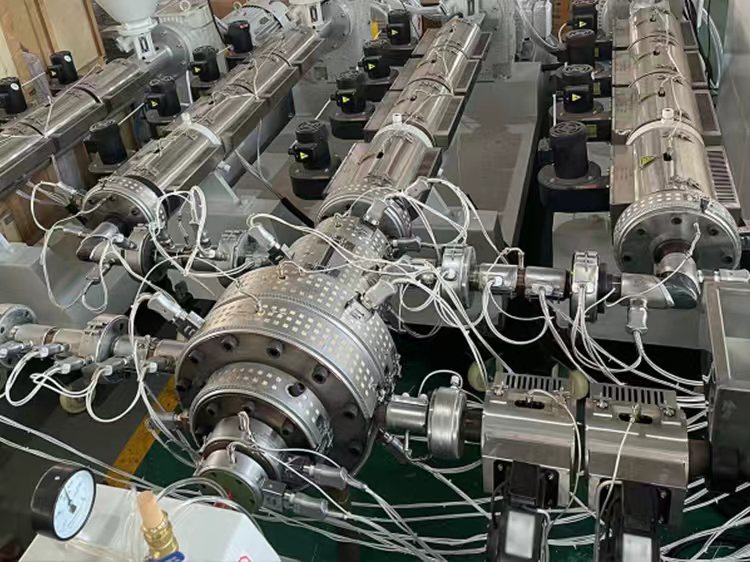
At the core of every PPR pipe manufacturing system is the extruder. This machine melts and mixes PPR granules uniformly before pushing the molten material through the mold. The most common choice is a single-screw extruder, equipped with a high-efficiency screw design to ensure stable plasticizing and uniform melt flow.
High-quality systems like the Audop PPR Pipe Extrusion Line use advanced temperature control systems and energy-efficient motors, which not only improve output but also guarantee consistent pipe wall thickness and surface finish.
2. Mould and Die Head – Shaping Perfection
Once the material leaves the extruder, it enters the mould and die head, where the pipe takes its initial shape. The precision of this component determines the pipe's diameter and wall thickness accuracy. A well-designed die ensures even pressure distribution, preventing deformation or irregularity.
For PPR pipe production, the die is typically equipped with an internal heating system to maintain a uniform melt temperature-critical for achieving a smooth, round pipe.
3. Vacuum Calibration and Cooling Tanks
After shaping, the hot PPR pipe immediately enters the vacuum calibration tank, where it is cooled and sized to exact specifications. The vacuum system maintains the pipe's circular shape, while the water spray ensures rapid cooling.
This section often includes two cooling tanks-the first for vacuum calibration and the second for intensive water cooling-to stabilize the pipe dimensions before cutting. Proper water circulation and filtration systems also keep the tanks clean, preventing surface defects on the finished pipes.
4. Haul-Off Machine – Keeping It Steady
Once the pipe exits the cooling section, the haul-off machine takes over. It uses caterpillar belts or rollers to pull the pipe forward at a steady speed that matches the extrusion output.
The synchronization between the extruder and haul-off is essential-too fast, and the pipe stretches; too slow, and it thickens. High-precision frequency converters allow fine-tuning of speed to maintain consistent pipe quality.
5. Cutting Machine – Clean and Accurate Finishing
Next comes the cutting unit, which automatically cuts the pipe into preset lengths. Modern systems often use planetary cutting, which ensures a smooth, burr-free edge without deforming the pipe. Some configurations even include automatic length measurement and dust collection for a cleaner working environment.
6. Stacker or Winder – Final Touches
Finally, the finished pipes are collected by either a stacker (for large-diameter pipes) or a winder (for small pipes or coils). These systems keep the line running smoothly by ensuring continuous, orderly collection of the final product.
A well-configured Audop PPR Pipe Extrusion Line integrates all these stages seamlessly, minimizing downtime and maximizing output efficiency.
Wrapping Up
A PPR pipe production line is more than just a collection of machines-it's a carefully tuned system where every component plays a vital role. From the precision of the extruder to the stability of the haul-off and the cleanliness of the cutter, each piece ensures that the final product meets international quality standards.
If you're planning to invest in or upgrade your production setup, exploring a reliable, energy-efficient solution like the Audop PPR Pipe Extrusion Line could be the perfect start. With advanced design and automation, it delivers not only top-quality pipes but also long-term performance and efficiency.

What Are the Components of PVC Pipe Extrusion Line
Discover the key components of a PVC pipe extrusion line and how each part works together to produce high-quality PVC pipes.Learn about the mixer,twin screw extruder,die head,vacuum tank,and more.Explore reliable solutions from Audop PVC Pipe Extrusion.
Emerging Trends Shaping Plastic Extruders in 2026
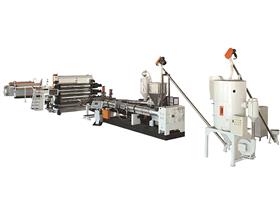
Plastic Extruders in 2026 feature smart manufacturing,AI,and sustainable materials,boosting efficiency,quality,and market growth.
Advantages of The Split-Type Vacuum Feeder
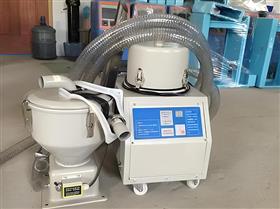
Discover the key advantages of the Split-Type Vacuum Feeder-an energy-efficient,low-noise,and easy-to-maintain material conveying system.Ideal for plastics,food,and pharmaceutical industries,the Audop split-type vacuum feeder ensures clean,flexible.
What Are the Key Plastic Recycling Machines and How Do They Work
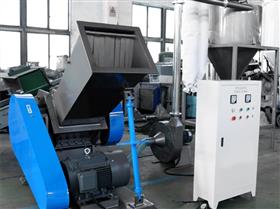
Plastic Recycling Machines like shredders,granulators,and extruders process,clean,and reshape plastics for efficient recycling and quality results.
