How to Choose Single and Double Screw Loss-In-Weight Feeder
Choosing the right loss-in-weight feeder can make all the difference in your production stability and product quality. Whether you're working with free-flowing pellets or sticky powders, understanding the advantages of single and double screw feeders will help you make the smartest choice for your process.
In modern manufacturing-especially in plastics, chemicals, and food processing-accurate feeding is not just a nice-to-have; it's essential for maintaining product quality and process stability. One of the most reliable tools for precise feeding is the loss-in-weight feeder. But when it comes to choosing between a single screw and a double screw loss-in-weight feeder, things can get a little tricky. Let's break it down in a clear, practical way.
1. Understanding the Basics: What Is a Loss-in-Weight Feeder?
A loss-in-weight feeder is a gravimetric dosing system that continuously measures and controls the flow of materials based on weight loss over time. Simply put-it tells you exactly how much material is being fed into the process. This ensures steady, consistent, and accurate dosing even when material density or flow changes.
Now, the main difference between the two popular types-single screw and double screw-lies in the feeding mechanism and how well they handle various materials.
2. When to Choose a Single Screw Loss-In-Weight Feeder
The Single Screw Loss-In-Weight Feeder is a great choice for free-flowing materials such as granules, pellets, or powders that don't tend to bridge or clump. Its simple structure allows for smooth material movement and easy maintenance.
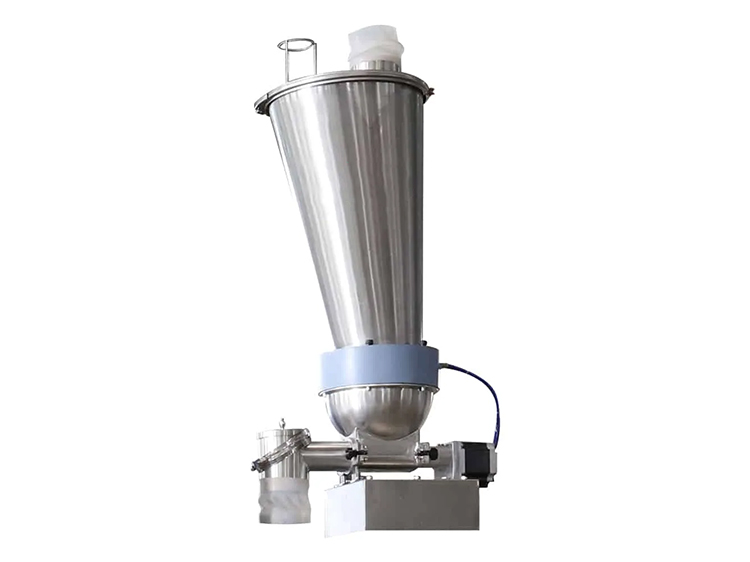
Advantages of single screw design:
- Perfect for uniform, non-sticky materials
- Easy to clean and maintain
- Consistent feeding performance with minimal wear
- Compact and cost-effective
In industries such as plastics compounding, food additives, or chemical blending, single screw feeders are the go-to for their simplicity and dependability. If your material behaves well and doesn't require special handling, this type is usually your best bet.
3. When You Need the Power of a Double Screw Loss-In-Weight Feeder
If your materials are cohesive, sticky, or have poor flow characteristics, a single screw feeder might not cut it. That's where the Double Screw Loss-In-Weight Feeder comes in.
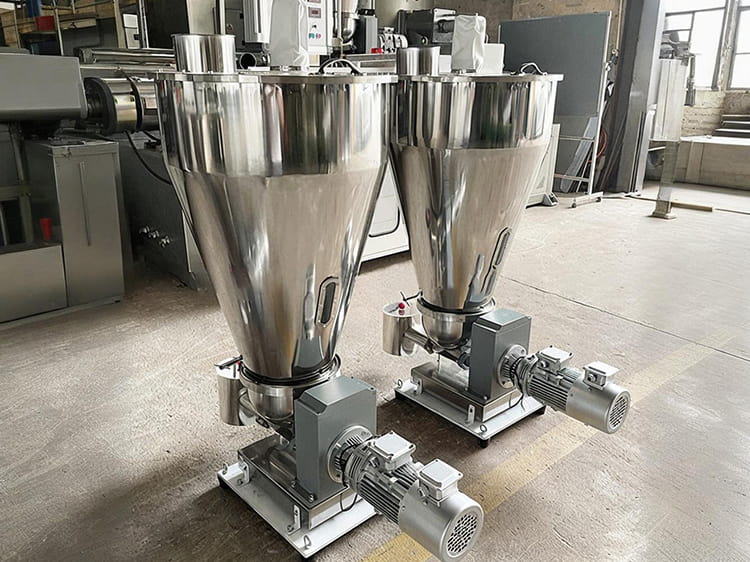
By using two intermeshing screws, this feeder ensures consistent discharge even for challenging materials like titanium dioxide, carbon black, or glass fibers. The twin-screw setup provides better agitation, preventing material buildup and bridging in the hopper.
Advantages of double screw design:
- Ideal for poorly flowing or sticky materials
- Higher feeding accuracy and stability
- Reduces the risk of blockage and pulsation
- More suitable for complex formulations or multi-component dosing
In short, if your process deals with materials that tend to clump, the double screw model gives you peace of mind and smoother operation.
4. Key Factors to Consider Before Making a Decision
Before choosing, think about the following factors:
- Material Properties: Is it free-flowing, sticky, or fibrous?
- Feeding Accuracy: What's your tolerance range?
- Maintenance Requirements: How often will you clean or change materials?
- Cost vs. Performance: Sometimes, a simpler single screw model does the job perfectly well.
- Process Integration: Ensure the feeder's control system matches your production line's automation setup.
5. The Bottom Line
Both single and double screw loss-in-weight feeders have their strengths. The single screw model offers simplicity and reliability for easy-flowing materials, while the double screw version excels in handling difficult or sticky materials with precision.
If you're still unsure which one suits your process, it's wise to consult with professionals who understand your production environment. Companies like Audop provide both Single Screw Loss-In-Weight Feeder and Double Screw Loss-In-Weight Feeder solutions, helping manufacturers achieve stable, efficient, and precise feeding performance.
Choosing the right feeder might seem like a small decision-but in manufacturing, it can make all the difference between consistent quality and costly waste.
Ultimate Guide for Selecting a PVC Profile Extrusion Production Line
Discover how to choose the right PVC profile extrusion production line with this clear guide covering core components,key technologies,and selection tips to ensure high-quality,efficient,and stable PVC profile manufacturing.
Dust-free Feeding Station: The Ideal Solution for Efficient Feeding
Discover how the Audop Dust-Free Feeding Station provides a cleaner,safer,and more efficient solution for powder and bulk material feeding.Improve production quality,protect worker health,and maintain a dust-free workspace.
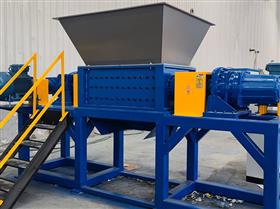
Plastic Shredders and Their Impact on Industrial Recycling
Plastic shredders play a key role in industrial recycling,reducing waste,improving efficiency,and supporting sustainability across multiple sectors.
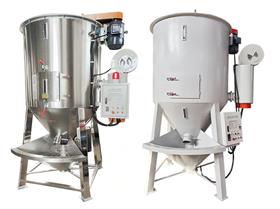
Important Guidelines for Operating and Maintaining Vertical Mixer Dryer
Learn essential tips for safely operating and maintaining your vertical mixer dryer.Improve drying efficiency and extend machine life with the Audop Vertical Mixer Dryer.
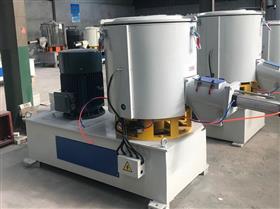
How to Choose a High-Speed Mixer
Learn how to choose the right high-speed mixer for your production line.Compare types,materials,and features to find the best industrial mixer for your needs.