Recycle Smarter: 5 Trends of Plastic Waste Recycling Machines
Explore how next-generation plastic waste recycling machines are becoming smarter, faster, and more sustainable. From AI automation to high-efficiency pelletizing, this guide reveals the five key trends transforming the recycling industry.
If you've been watching the recycling industry lately, you've probably noticed something: plastic waste recycling machines aren't what they used to be. They're faster, smarter, cleaner, and-surprisingly-much more interesting than the clunky systems we remember from a decade ago.
Today's recycling technology is evolving so quickly that manufacturers and recycling plants who don't keep up risk falling behind. So, what exactly is shaping the future?
Let's dive into the five hottest trends driving plastic waste recycling machines into a new era of efficiency and sustainability.
1. Smarter Automation & AI-Powered Control
Gone are the days when operators had to constantly adjust temperature, pressure, or feed rates manually.
Modern recycling machines use AI algorithms and intelligent sensors to optimize every step of the process. These systems automatically detect material variations, adjust parameters on the fly, and even predict maintenance needs before something goes wrong.
The result?
Higher output, consistent pellet quality, and dramatically reduced downtime.
2. High-Efficiency Pelletizing Systems
As the demand for plastic recycling continues to grow, recycling machines must adapt to the need for large-scale production. The trend of high production capacity machines addresses this necessity, allowing recyclers to process larger volumes of plastic waste efficiently and effectively. These machines are designed to handle significant throughput while maintaining optimal performance, ensuring a seamless workflow throughout the recycling process. By meeting high production capacity demands, recyclers can increase productivity and contribute to a more efficient circular economy.
Efficiency is no longer just a selling point-it's a requirement. Today's pelletizing technologies focus on:
- Lower energy consumption
- Higher throughput
- More stable melt quality
- Better compatibility with mixed plastic waste
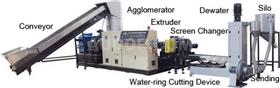
Advanced lines like the Audop Water-ring Pelletizing System have made pelletizing smoother and more cost-effective than ever. For recyclers competing in an increasingly demanding market, this kind of efficiency can make all the difference.
3. Greater Focus on Post-Consumer Waste (PCW)
Post-consumer plastics are messy, inconsistent, and often contaminated.
Yet, the world is pushing harder than ever to recycle them-especially PE, PP, PET, and LDPE films.
To meet this challenge, the latest recycling machines now include:
- Integrated shredding + washing + drying
- Advanced filtration for handling dirtier materials
- Degassing systems to deal with moisture and odor
- Anti-wrapping designs for flexible-film processing
Instead of rejecting difficult waste streams, smart recycling systems now embrace them.
4. Modular Designs for Maximum Flexibility
Compact and modular designs are another trend shaping the future of plastic recycling machines. These designs offer several benefits for recyclers, including space-saving, easier installation and maintenance, and scalability for expansion or customization. Compact and modular machines are especially beneficial for small-scale recyclers or those with limited space. An example of a compact and modular plastic recycling machine is Audop Plastic Recycling Machine , which allows recyclers to choose and combine different modules based on their specific needs.
5. Sustainable Engineering: Lower Emissions, Less Energy
Green tech is no longer a bonus-it's a global expectation. Recycling machines are now engineered around sustainability by default.
Energy efficiency is becoming increasingly important in the design and operation of plastic recycling machines Modern machines are being equipped with features such as energy-saving motors, advanced control systems, and waste heat recovery to minimize energy consumption and reduce the environmental impact of the recycling process. One example of an energy-efficient plastic recycling machine is the Audop Plastic Recycling Machine, which is designed to consume less energy while maintaining high levels of performance and productivity.
Key improvements include:
- Heat-recovery systems
- Energy-efficient motors and gearboxes
- Precision feeding that reduces waste
- Low-noise, low-emission designs
- Water-saving and closed-loop washing circuits
These advancements don't just help the environment-they also cut electricity and maintenance bills significantly.
Conclusion: The Future of Recycling Is Smarter and More Adaptive
From AI automation to modular engineering, plastic waste recycling machines are reinventing the industry one innovation at a time. Whether you're upgrading your plant or just curious about where recycling is headed, these trends make one thing clear:
Modern recycling isn't just about processing plastic-it's about processing it smarter.
If you're exploring new technologies, the evolving capabilities of solutions like the
Audop Plastic Recycling Machine are worth a closer look.
Plastic Bottle Recycling Equipment: The Complete Guide for 2026
Learn how 2026 recycling technology transforms PET bottles into premium rPET using AI sorting,energy-smart washing,and modern pelletizing systems.

PET Bottle Hot Washing Recycling Machine Technology Flow Guide
Discover how a PET Bottle Hot Washing Recycling Machine transforms dirty PET bottles into high-purity recycled flakes.Learn the full technology flow,including sorting,crushing,hot washing,separation,and drying for efficient and high-quality PET recycling.
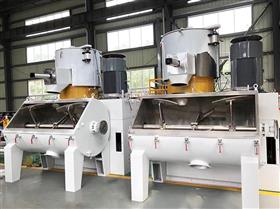
SRL-W Series keeps your plastic products top quality
Upgrade your plastic production with the SRL-W Series Horizontal Mixing Unit.Achieve uniform mixing,fast drying,precise temperature control,and contamination-free processing.Ideal for PVC pipes,boards,profiles,and degradable plastics.
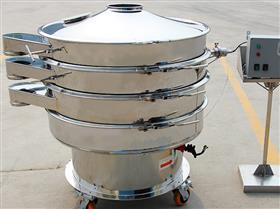
How Vibrating Sifters Improve Product Quality in 2026
Vibrating Sifter technology in 2026 removes contaminants,ensures uniform particle sizing,and boosts product quality for key industries.
